
The Allure of Gambling: A Psychological Perspective
The psychological appeal of gambling can be traced to a multitude of factors, primarily involving human emotions and cognitive biases. Many individuals are driven by the thrill and excitement that the act of gambling provides. The anticipation of winning can serve as a potent stimulant, akin to the rush one experiences from extreme sports or roller coasters. This emotional high, often referred to as the ‘gambler’s high,’ can be addictive, leading players to seek out that next rush at the casino, especially when engaging in activities like canada sports betting , which often enhances the overall experience. This cycle can create a dependency where the individual continually returns to the gaming floor in search of that elusive euphoria.
Moreover, the environment of casinos is meticulously designed to enhance the gaming experience. The use of vibrant colors, enticing sounds, and strategically placed games creates an atmosphere that is not only inviting but also conducive to prolonged play. This sensory stimulation can trigger the release of dopamine in the brain, reinforcing the desire to gamble. Such positive reinforcement can lead to repetitive behavior, where the individual returns to the casino in hopes of reliving that euphoric feeling. The design elements work together to create a space that feels exciting and dynamic, making it easy for players to lose track of time.
Additionally, cognitive biases play a crucial role in gambling behavior. For example, the illusion of control can lead players to believe that they can influence the outcome of certain games, such as poker or blackjack. This belief can perpetuate the gambling cycle, as players may attribute their wins to skill rather than luck, ultimately skewing their decision-making processes. Understanding these psychological aspects can provide insight into why individuals are drawn to casinos despite the inherent risks of gambling. The interplay of emotional highs and cognitive distortions creates a perfect storm for continued gambling behavior.
The Social Dynamics of Casino Gambling
Gambling is not solely an individual pursuit; it is also significantly influenced by social dynamics. The communal atmosphere of casinos fosters social interaction, which can enhance the overall experience for players. Many people enjoy the camaraderie that comes from sharing a table with friends or fellow gamblers, engaging in conversations, or celebrating wins together. This social aspect can create a sense of belonging and community that further encourages individuals to frequent casinos. The shared experience can amplify the thrill of the game, as players feed off the energy of those around them.
Moreover, peer influence is a powerful motivator in gambling settings. The presence of others who are also engaging in gambling can normalize the behavior and reduce any associated stigma. When individuals see their friends or acquaintances winning, it can spark a competitive spirit or a desire to join in on the fun, resulting in increased participation. The social environment can create a feedback loop where the enthusiasm of one gambler ignites the interest of another, perpetuating a cycle of gambling behavior. This social validation can make people feel more comfortable engaging in gambling, further entrenching them in the casino culture.

In addition to the immediate social interactions, casinos often host events and promotions that encourage group participation. Tournaments, themed nights, and special performances draw larger crowds, creating a festive atmosphere that enhances the allure of gambling. This collective engagement can make gambling feel more like a shared experience rather than a solitary endeavor, leading individuals to return for both the games and the social interactions that accompany them. The blend of competition and cooperation within these environments can be incredibly appealing, drawing more individuals into the fold.
The Influence of Risk and Reward in Gambling Behavior
The intrinsic nature of gambling lies in its association with risk and reward. The possibility of winning substantial amounts of money can trigger a rollercoaster of emotions ranging from hope to despair. This speculative nature attracts many gamblers, who are often willing to take significant risks for the chance of a life-changing win. The allure of a jackpot or a big payout can overshadow the odds of losing, allowing players to rationalize their gambling behavior despite the statistical realities. This tendency to focus on the potential gains leads many to underestimate the risks involved.
Furthermore, the excitement of risk is often magnified by the concept of loss aversion. Research indicates that individuals experience stronger emotional reactions to losses than to equivalent gains. This phenomenon can lead players to chase their losses, attempting to regain what they have lost, which ultimately can result in greater financial losses. The fear of missing out on a potential win can also drive individuals to gamble beyond their means, further entrenching their behavior in a cycle of risk and reward. This pattern of behavior can create a dangerous dynamic, where the thrill of winning is constantly pursued at the expense of rational decision-making.
This relationship between risk and reward is often exploited by casinos through various promotions and loyalty programs. By providing incentives such as bonus credits, free spins, or comped meals, casinos can create an environment where players feel compelled to gamble more in hopes of realizing rewards. This manipulation of reward systems can lead to habitual gambling, as players may become conditioned to associate the casino experience with the potential for both enjoyment and financial gain. Understanding these mechanisms can help players recognize the strategies at play and make more informed decisions regarding their gambling habits.
Responsible Gambling and the Need for Awareness
As the allure of gambling persists, the importance of responsible gambling practices must be emphasized. Understanding the psychological triggers that drive gambling behavior can empower individuals to make more informed choices regarding their participation in gaming activities. It is crucial for gamblers to recognize the signs of problem gambling, such as persistent financial losses or emotional distress related to gambling, and to seek help when necessary. Awareness can be the first step in preventing harmful gambling behaviors from taking root.
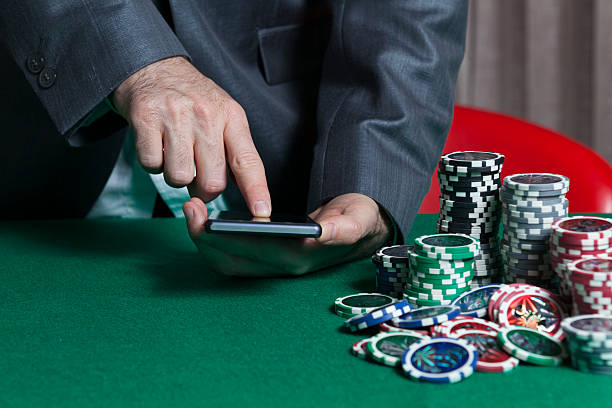
Education plays a critical role in promoting responsible gambling. Many casinos and organizations provide resources and support for individuals looking to understand their gambling habits. Initiatives such as awareness campaigns, self-exclusion programs, and access to counseling services are essential for fostering a safe gambling environment. By emphasizing responsible gaming practices, the gaming industry can help mitigate the negative consequences of gambling while allowing individuals to enjoy the entertainment aspect of casino experiences. The goal is to strike a balance between enjoyment and responsibility.
Furthermore, building a culture of awareness around responsible gambling requires cooperation from all stakeholders, including casinos, regulators, and the players themselves. By fostering open discussions about gambling and its psychological impacts, the industry can work towards creating a healthier gambling environment that prioritizes player well-being while still providing the excitement that draws people to casinos in the first place. Collective efforts can help reshape the narrative around gambling, making responsible practices a standard part of the experience.
Exploring More About Casinos and Gambling Psychology
For those interested in diving deeper into the psychology of gambling and the various facets of casino experiences, there are numerous resources available online. Websites dedicated to gambling education offer valuable insights into the mechanics of games, strategies for responsible gambling, and the psychological effects of gaming. These platforms serve as a hub for information, catering to both casual players and those looking to understand the deeper implications of their gaming choices. Engaging with these resources can empower players to make more informed decisions about their gambling habits.
Through blogs, articles, and interactive content, these websites aim to enhance public awareness about gambling behavior and its psychological underpinnings. They provide a platform where individuals can share their experiences, learn from experts, and engage in discussions surrounding responsible gambling practices. By fostering a community of informed players, these resources contribute to a better understanding of the gaming landscape and promote healthier approaches to gambling. The shared knowledge can lead to more responsible gaming behaviors among players.
Ultimately, the journey into the psychology of gambling is not just about understanding why we play in casinos; it is about fostering a culture that balances enjoyment with awareness. Whether you are a novice bettor or a seasoned player, taking the time to educate yourself about the psychological aspects of gambling can lead to a more fulfilling and responsible gaming experience. As we explore these facets, we can work towards a gambling environment that is both exciting and safe for all participants.