
When you open the zoome casino app, you see games built to keep you spinning. But the real draw is not luck alone. Developers spend years studying how your brain reacts to wins, losses, and near misses. Understanding these tricks helps you play smarter and recognize when a game is working on your psychology rather than your strategy.
Foundations of Gambling Psychology
The Brain’s Reward System and Variable Ratio Reinforcement
Casino games trigger your brain’s reward system through a mechanism called variable ratio reinforcement. You never know when a win will land. This unpredictability releases dopamine every time you spin, even when you lose. The effect keeps you engaged because your brain treats the next spin as a potential reward. Slot machines, for example, pay out on an average schedule but never a fixed one, so your brain stays alert for the next hit.
Risk Perception and the Illusion of Control
Players often believe they can influence random outcomes. Choosing when to stop a slot, picking numbers on a roulette wheel, or deciding to hit in blackjack creates an illusion of control. In reality, the house edge remains constant. Developers design features like “stop buttons” or “choose a bonus” to make you feel involved, even when the result is predetermined. Recognizing this illusion helps you separate skill from chance.
Game Mechanics That Trigger Player Engagement
Paylines, Bonus Rounds, and the “Near-Miss” Effect
Games like Book of Fortune from Mplay use paylines and expanding wilds to create anticipation. A near miss occurs when two symbols land on a payline and the third stops just above. Your brain treats this almost as a win. Studies show that near misses activate the same reward regions as actual wins. Developers place these outcomes strategically to prolong play. Bonus rounds add another layer: they interrupt the base game with a high-energy sequence that feels like a reward in itself.
Progressive Jackpots vs. Fixed Payouts
Progressive jackpots pool money from many players and grow until someone hits. The ever-increasing number on the screen triggers a sense of urgency and hope. Fixed payouts offer predictable returns, like the 96.5% RTP on Thunderspin’s Clover Coins. Progressives motivate you to keep spinning because the potential prize feels life-changing, even though the odds are tiny. Fixed games appeal to players who want steady, smaller wins.
Visual and Audio Design Elements
Color Theory and Symbol Recognition
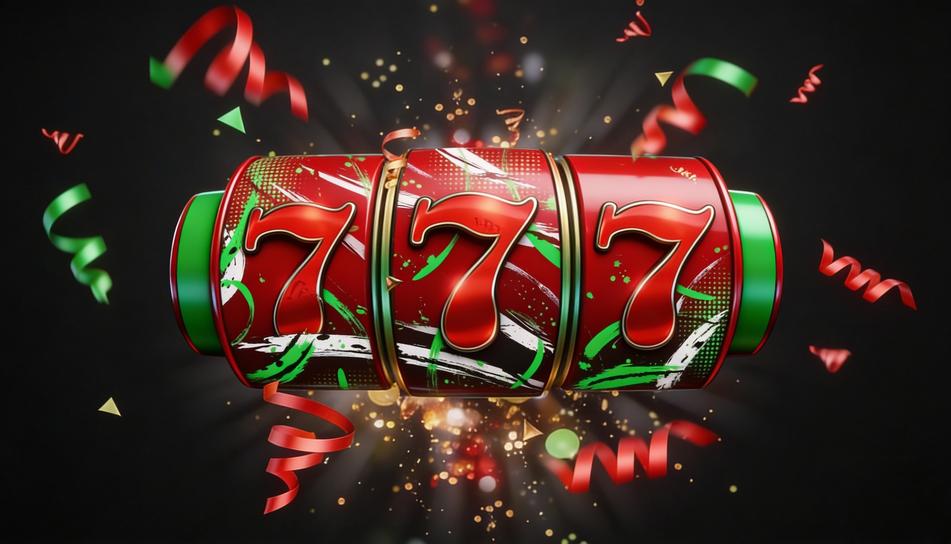
Red and gold dominate many slot interfaces because these colors signal excitement and wealth. Betsoft’s Slots Angels uses bright, saturated backgrounds that keep your eyes on the reels. Symbols like cherries, sevens, and bars are instantly recognizable and trigger quick associations with winning. Developers test color combinations to reduce visual fatigue and keep you focused on the action.
Sound Cues, Music Tempo, and Emotional Arousal
Every spin comes with a sound: a chime for a win, a rising tone for a bonus, or a drum roll for a near miss. These audio cues condition your emotions. Fast music tempo increases your heart rate, making you more likely to take risks. Ezugi’s live dealer tables use ambient casino sounds to replicate the floor experience. The combination of visual and audio feedback creates a loop that encourages you to stay longer.
The Live Casino Experience and Player Trust
Real‑Time Interaction in Unlimited Blackjack (Ezugi)
Live dealer games bridge the gap between online and physical casinos. In Unlimited Blackjack, you watch a real person shuffle and deal cards. This transparency builds trust. You can see the deck, the dealer’s actions, and your own decisions play out in real time. The social element, chatting with the dealer and other players, adds a layer of accountability that slots lack. Yet the same psychological hooks remain: variable reinforcement on wins and the illusion that you can beat the dealer through strategy.
The Impact of Auto Roulette’s Seamless Flow
Auto Roulette removes the dealer but keeps the wheel spinning automatically. The rapid pace shortens the time between bets, reducing your opportunity to rethink. Each ball drop takes only a few seconds. This flow state keeps you engaged without breaks. Developers program the wheel to produce a mix of red, black, and zero outcomes that feels random, but the house edge stays fixed. The seamless design encourages you to place more bets per hour.
Real‑World Examples from Leading Providers
| Provider | Signature Game(s) | Core Psychological Hook | Typical RTP | Notable Casino Partner |
|---|---|---|---|---|
| Mplay | Book of Fortune, Book of Magic Mplay | Adventure narrative + expanding wilds (anticipation) | 96.2% | Vbet Casino |
| Betsoft | Slots Angels, Stampede | Tiered bonus levels + cinematic storytelling | 95.8% | JackpotCity Casino |
| Thunderspin | Clover Coins, Dragon Kings | Cluster pays + high‑frequency small wins (instant gratification) | 96.5% | Bovada Casino |
| Ezugi | Unlimited Blackjack, Auto Roulette | Live dealer authenticity + real‑time decision making | N/A (live) | Vbet Casino |
How These Features Influence Session Length and Spend
Providers design these hooks to stretch your play. Mplay’s adventure narrative makes you want to complete the story. Betsoft’s tiered bonuses give you small goals along the way. Thunderspin’s frequent small wins release dopamine often, so you don’t notice the slow drain on your balance. Ezugi’s live tables keep you engaged with social pressure. As of 2026, Australian players can access all these games through regulated casinos. The key is to recognize when a feature is pushing you to spend more time or money than you planned.
Author
Aisha Kapoor is a gaming analyst who reviews provider portfolios and software fairness for Australian online casinos. Her research focuses on RTP accuracy and game mechanics that influence player behavior.
FAQ
Why do “near‑miss” outcomes keep players hooked?
Near misses trick your brain into thinking you almost won, releasing dopamine and encouraging you to try again.
How does RTP affect a player’s perception of fairness?
Higher RTP percentages make players feel they have a better chance, even though the house edge still exists over time.
Are live dealer games less psychologically manipulative than slots?
No, live dealer games still use variable reinforcement and social pressure to keep you betting longer.
Can casinos legally use psychological tactics in game design?
Yes, as long as the games meet regulatory standards for randomness and RTP disclosure, these tactics are legal.
What’s the difference between a progressive jackpot and a fixed‑prize slot in terms of player motivation?
Progressives motivate through the dream of a huge payout, while fixed slots reward steady, smaller wins that build confidence.